
Milling and full depth reclamation are both environmentally friendly methods of paving that focus heavily on recycling and repurposing. They both have their benefits and draw backs of course, but what’s the difference?
- Milling
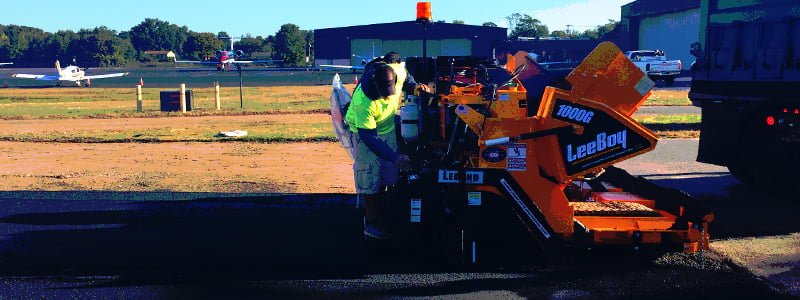
In this method of resurfacing asphalt, a milling machine is used to grind down the top course of existing asphalt, typically to a depth of 1.5”. The machine utilizes a large rotating drum to remove and grind the pavement surface to the desired depth, and the ‘millings’ are loaded to a waiting dump truck via conveyor to be hauled off-site for recycling. From there, a new layer of asphalt can be paved to the thickness that was removed.
Milling is used heavily in municipal and highway work, as well as, larger commercial paving projects, in cases where the base materials are still good, and only the top layer of asphalt needs replacing. It’s less expensive than a full reclamation and is more of a resurfacing than a re-paving. The biggest drawback to milling, is that it does not repair any issues that may be caused by poor base thickness or base failure.
- Pulverizing or full depth reclamation (FDR)
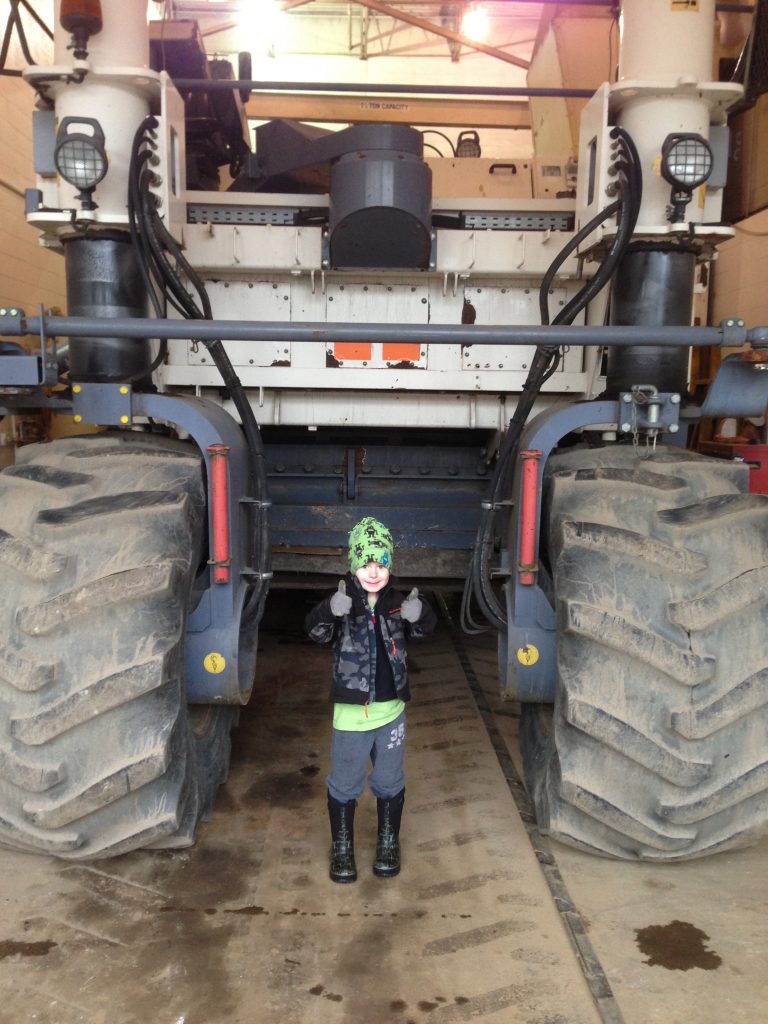 The full depth reclamation technique is a pavement rehabilitation process where the full depth of asphalt and a predetermined portion of the underlying materials, are uniformly pulverized and blended together to produce a stabilized base course on which to pave. This is one of, if not the, “greenest” construction processes currently available. By reconstituting the existing asphalt, and converting it into processed stone in-place, reclaiming eliminates costly truck moves and hauling expenses. It also repairs worn out and failed base problems underneath the asphalt, essentially resetting the clock on your asphalt parking lot back by 30 years.
Knowing the difference between these two paving processes, and educating yourself on the benefits of each, can help save time, aggravation, and not to mention potentially hundreds of thousands of dollars in the long run! It’s always a good idea to consult an expert who can walk you through the specifics of each process, make recommendations, and provide a pavement management plan for your property or association. Contact EastCoat Pavement Services today for your free consultation.